

The short answer
Most 28-day programs follow the same arc: assessment and, if needed, medically supervised detox in week one, a full timetable of one-to-one and group therapy in weeks two and three, and relapse-prevention and aftercare planning in week four.
Four weeks is enough to get through withdrawal safely and make a real start. It is rarely enough on its own, so the plan for after day 28 matters as much as the program.
What a 28-day program is
A 28-day program is a stay of about four weeks in a residential center, where you live on site and follow a set daily timetable. In Thailand, residential programs are usually sold in four-week blocks, and stays typically last 4 to 12 weeks.[4]
The format is not new. The US National Institute on Drug Abuse (NIDA) describes the original residential model as a 3- to 6-week inpatient phase followed by extended outpatient therapy and a self-help group such as AA.[1] That second half is easy to overlook when all the effort goes into getting someone to the center.
| Week | Main focus | What usually happens |
|---|---|---|
| Week 1 | Arrival, assessment, detox if needed | Belongings checked, medical and mental-health assessment, withdrawal managed by medical staff, a lighter schedule |
| Week 2 | A full therapy timetable | One-to-one and group therapy most days, education sessions, exercise and a fixed routine |
| Week 3 | Deeper work and family | Triggers, mental health and relationships; family sessions, often by video; a review of the treatment plan |
| Week 4 | Relapse prevention and going home | A written relapse-prevention plan, aftercare booked at home, medicines and travel arranged |
Swipe sideways to see the whole table.
Week 1: arrival, assessment and detox
Many centers collect new clients from the airport, and most expect to check bags on arrival for alcohol, drugs and medicines. Prescription medicines are often handed to the nursing team, who then give them out.[4]
The first days are mostly assessment: your substance use, physical health, medicines and mental health. NIDA's principles say treatment has to address a person's medical, psychological and social needs, not just their drug use, and that anyone with an addiction should be assessed for other mental disorders.[1]
Alcohol withdrawal usually starts within 6 to 12 hours of the last drink and lasts 3 to 7 days.[2]
If you are physically dependent, a doctor decides whether you need medically supervised detox. The NHS warns that stopping drinking suddenly can be very dangerous for someone who is dependent on alcohol, and seizures are among the possible symptoms.[2]
Benzodiazepines (such as diazepam or alprazolam) need particular care. The US Food and Drug Administration warns that stopping them abruptly or cutting the dose too quickly can cause withdrawal reactions, including seizures, which can be life-threatening.[3] A safe reduction can take longer than four weeks, so ask how the center plans for that.
During detox the schedule is usually light: rest, meals, medical checks and short sessions once you feel able.

Week 2: a full therapy timetable
Once any detox is over, the full program begins. NIDA describes behavioural therapies, including individual, family and group counselling, as the most commonly used forms of treatment, and says group and peer support during and after treatment can help people stay abstinent.[1]
A typical weekday mixes these elements, though the balance differs between centers:
- One-to-one therapy. Often cognitive behavioural therapy (CBT) or motivational work. Ask how many individual sessions you get each week, because the number varies widely between centers.
- Group therapy. Sharing and practising skills with other clients, led by a counsellor.
- Education sessions. How addiction affects the brain and body, sleep, cravings and early warning signs.
- Routine and activity. Regular meals, exercise, and often mindfulness or yoga.
- Peer support. Some programs build in 12-step meetings; others use non-12-step approaches.
For some people, medicines are part of treatment too. NIDA lists medicines approved for alcohol and opioid dependence and calls medication an important part of treatment for many people, especially combined with counselling.[1] Ask whether a doctor will discuss them with you.
Week 3: deeper work and family
By the third week, therapy usually moves from stabilising to the harder questions: what sets off drinking or drug use, what else is going on (such as depression, anxiety or trauma) and what needs to change at home.
Many programs involve family at this point. For international clients that often means scheduled video sessions; some centers also run family programs that relatives can attend in person.[4] Families can prepare by thinking about what they want to say and what support they can realistically offer.
A good program also reviews the treatment plan as it goes. NIDA says a treatment plan should be assessed continually and changed when needed.[1] If the team recommends extending the stay, ask for the clinical reasons and the cost in writing.
Week 4: relapse prevention and going home
The last week is about leaving well. Two documents matter most, and you should leave with both on paper:
- A relapse-prevention plan. Personal triggers, early warning signs, what to do when cravings hit, and who to call.
- An aftercare plan. Named appointments at home (a doctor, a counsellor or a local treatment service), support groups, any online sessions from the center, and a medicines plan with enough supply and a doctor's letter for the flight.
Aftercare is worth the effort. A 2021 review in an NIAAA journal found that research generally supports continuing care after treatment, with the most consistent benefits when it lasts longer, actively keeps people engaged and is offered to those at higher risk of relapse.[5]
Book the first appointments at home before the flight, not after. The first weeks back, with old routines and old contacts, are when the plan gets tested.
If you used opioids, ask about overdose risk before you leave. After a period without using, going back to a previous dose can cause an overdose more easily, and the World Health Organization lists returning to opioids after detox as a risk factor and recommends naloxone for people likely to witness an overdose.[7][8]
What to pack, and what's usually not allowed
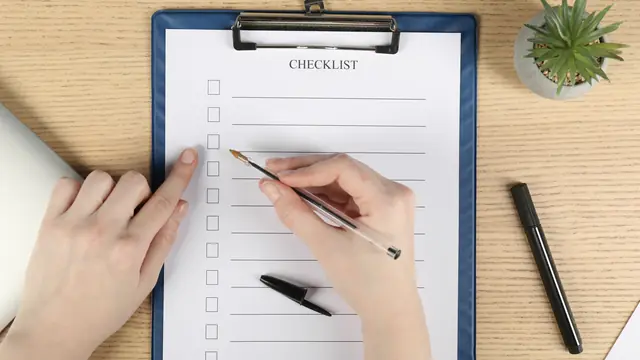
Every center has its own list, so ask for it before you book flights. Published lists from centers in Thailand commonly include:[4]
- Light, loose clothing for hot weather, plus a layer for air-conditioned rooms
- Exercise clothes, trainers, sandals and swimwear
- Alcohol-free toiletries and sun cream
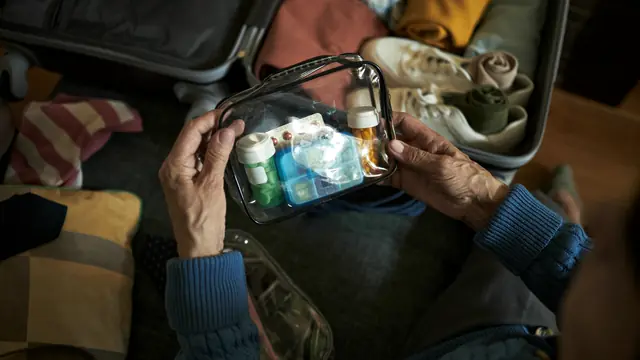
- Prescription medicines in their original packaging, with a doctor's letter
- Glasses or spare contact lenses
- Copies of your passport, insurance details and key phone contacts on paper
- A notebook and a book or two
Items that centers commonly ban or hold include:[4]
- alcohol, drugs and any medicine or supplement not cleared by the medical team
- products containing alcohol, such as some mouthwashes, perfumes and aftershaves
- energy drinks, at some centers
- weapons, valuable jewellery and large amounts of cash
- games consoles, playing cards or gambling items, at some centers.
Leave vapes and e-cigarettes at home. The UK government's travel advice says it is illegal to possess or use any vape, e-cigarette or heat-not-burn device in Thailand, with no exceptions for tourists, and offences can lead to heavy fines and detention.[6] Check medicines before you fly in our guide to bringing medication to Thailand.
What 28 days can and can't achieve
NIDA says most people with an addiction need at least 3 months in treatment to significantly reduce or stop their drug use, and that the best results come with longer treatment.[1]
That doesn't mean three months in a residential center. It means the 28 days work best as the first, most intensive part of a longer plan.
What four weeks can do:
- get you through withdrawal safely, with medical supervision
- give you a break from the people and places linked to drinking or drug use
- identify other health or mental-health problems that need treatment
- start therapy, build a daily routine and practise new skills
- produce a written plan for relapse prevention and aftercare.
What four weeks can't do:
- Detox is not the treatment. NIDA says medically assisted detox is only the first stage and by itself does little to change long-term drug use.[1]
- No program guarantees you won't relapse. NIDA describes recovery as a long-term process that often needs more than one episode of treatment, and says a relapse should be a signal to restart or adjust treatment.[1]
- Longer conditions need longer care. Depression, trauma or a slow benzodiazepine reduction may need treatment well beyond day 28.
So when you compare programs, compare what happens after discharge as carefully as the four weeks themselves. Our guide to choosing a rehab lists the aftercare questions to ask, and the cost guide shows what a 28-day price usually includes.
Frequently asked questions
Can I leave rehab before the 28 days are up?
Ask before admission what the center's policy is if you want to leave early. If you do decide to leave, talk to the medical team first, especially if you are still in withdrawal, because stopping a supervised detox early can be dangerous.
Check the refund terms before you pay: some deposits are non-refundable, as our cost guide explains.
Can family visit or call during the program?
It depends on the center: many limit calls in the first days while someone settles in, then allow scheduled contact. For international clients, family sessions are often held by video. Ask for the contact rules in writing before admission.
Will I have my phone?
Rules differ. Some centers hold phones and laptops for the first few days or limit use to certain hours; others are more relaxed. If you need to work or stay in touch with children, agree the arrangement before you arrive.
Is 28 days enough for alcohol addiction?
Four weeks is usually enough to get through alcohol withdrawal safely and start therapy. It is rarely enough on its own: the US National Institute on Drug Abuse says most people need at least three months in treatment, and better results come with longer treatment. That can include outpatient therapy and support groups after you go home.
Read more in our guide to alcohol rehab in Thailand.
What if the center recommends staying longer?
Many centers in Thailand offer stays of 4 to 12 weeks. A longer stay can make sense, for example after a difficult detox or when a mental-health condition needs more work. Ask for the clinical reasons in writing, the extra cost and whether outpatient care at home could do the same job.
Sources
- National Institute on Drug Abuse (NIDA) (revised January 2018). Principles of Drug Addiction Treatment: A Research-Based Guide (Third Edition). Principles 4–10 and the section on short-term residential treatment
- NHS (reviewed 24 April 2026). Alcohol misuse: treatment
- US Food and Drug Administration (23 September 2020). FDA requiring Boxed Warning updated to improve safe use of benzodiazepine drug class
- Thai Recovery Guide (October 2026). Review of English-speaking residential centers' published programs, prices, admission and packing information. Centers are described, not named, in line with our editorial policy
- McKay JR (2021). Impact of continuing care on recovery from substance use disorder. Alcohol Research: Current Reviews 41(1): 01
- UK Foreign, Commonwealth & Development Office (accessed October 2026). Thailand travel advice: safety and security (vapes and e-cigarettes)
- NIDA (June 2025). Treatment approaches for drug addiction (DrugFacts)
- World Health Organization (29 August 2025). Opioid overdose (fact sheet)
We compiled this page in October 2026 from clinical and government sources and from centers' published information. The week-by-week outline is a typical example built from those sources, not a description of any particular center. We have not yet visited centers in person.
Related guides



Need help right now?
If you are in immediate danger, call your local emergency number. Stopping alcohol or some drugs suddenly can be dangerous, so get medical advice first. These lines are free to call.
In Thailand
- Emergency medical services 1669 Thailand, 24 hours
- Department of Mental Health hotline 1323 24 hours, Thai language
- Police 191 Thailand
- Tourist Police 1155 English spoken